Photography Shoot Plan Checklist: Everything You Need Before the Shoot
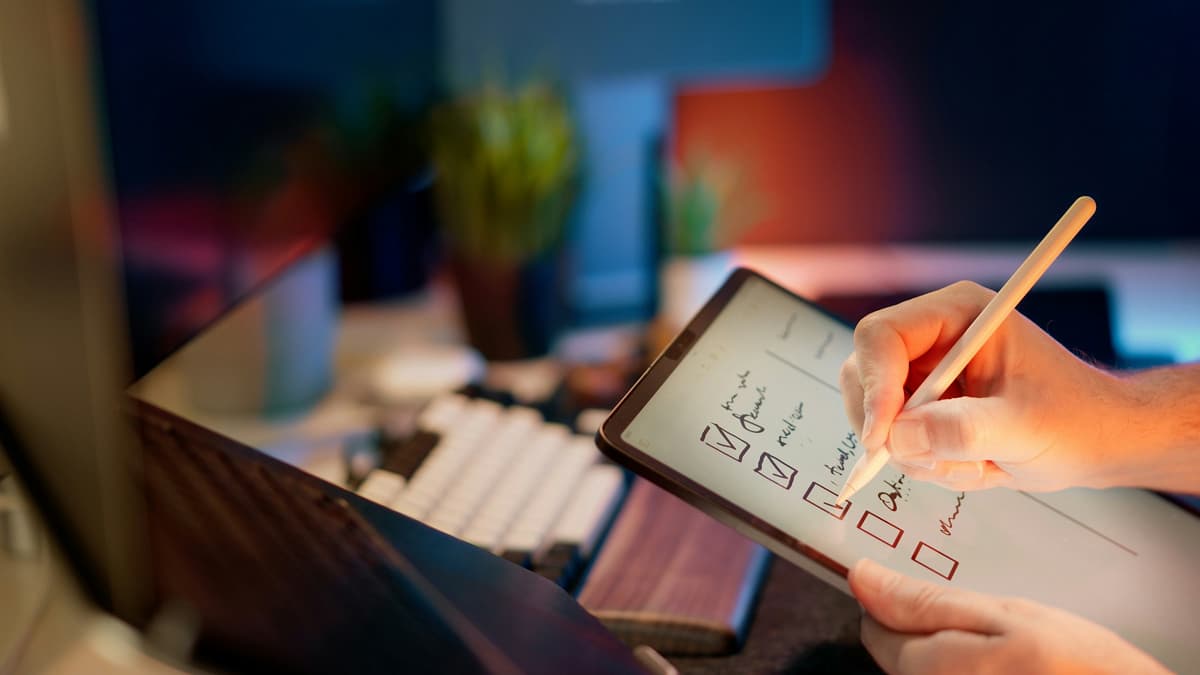
A well-organised photo shoot does not happen by accident. Whether you are preparing for a portrait session, a fashion editorial, or a creative collaboration, having a reliable photo shoot planning checklist ensures nothing falls through the cracks. This guide breaks the entire process into clear phases — from early creative alignment through to final delivery — so you can focus on making great images instead of scrambling to remember what you forgot.
Bookmark this page. You will come back to it before every shoot.
Before the Shoot — Creative Alignment (2-4 Weeks Out)
The earliest phase is about getting everyone on the same page creatively. Rushing this step is where most shoots go wrong.
- Define the concept and mood — Write a brief (even just 2-3 sentences) that captures the theme, emotion, and style you are going for. Share it with every collaborator early so there are no surprises on set.
- Build a moodboard — Collect reference images, colour palettes, styling ideas, and location inspiration into a single visual board. This is the most effective way to communicate creative direction to models, stylists, and makeup artists. If you are new to this, read our guide on how to create a moodboard for a photo shoot.
- Identify your team — Confirm which collaborators are involved: model(s), stylist, makeup artist, assistant, or anyone else. Decide roles early.
- Invite collaborators to your planning space — Share the moodboard and concept digitally so everyone can review and comment before the shoot. Feedback at this stage prevents costly miscommunication later.
- Draft a shot list — List every setup, pose idea, or composition you want to capture. Group shots by location or outfit to minimise downtime during transitions.
- Scout the location — Visit the space in person if possible. Check for natural light direction at your planned time, background options, power access, parking, and any permit requirements.
- Confirm wardrobe and styling — Align on outfits, accessories, hair, and makeup. Reference your moodboard so everyone can source or prepare accordingly.
Pro tip: Share your moodboard and shot list in the same place. When your model can see the reference images alongside the shot list, they arrive on set already understanding the poses and energy you are looking for.
1 Week Before — Logistics Lock-In
With the creative direction settled, the final week is about confirming every practical detail.
- Confirm the date, time, and call time with all collaborators — Send a reminder message with the address, parking instructions, and expected duration.
- Check the weather forecast — For outdoor shoots, have a backup plan (alternative date or indoor fallback). Overcast skies can be a gift for portraiture, but rain is rarely welcome.
- Prepare your gear — Charge all batteries, format memory cards, clean lenses, and test any lighting equipment you plan to bring. Pack spares where possible.
- Finalise the timeline — Build a realistic schedule for the day. Include buffer time between setups — outfit changes, lighting adjustments, and travel between spots always take longer than you think.
- Print or save key documents — Have your shot list, moodboard, and any contracts or model releases accessible offline. Wi-Fi is not guaranteed at every location.
- Confirm catering or refreshments — For shoots lasting more than a couple of hours, plan water, snacks, or a meal break. A tired, hungry team does not produce their best work.
- Sort transport and access — Confirm how everyone is getting to the location. If the venue requires a key, access code, or specific entry point, share those details in advance.
Day of the Shoot — On Set
Shoot day is where preparation meets execution. The calmer and more organised you are, the more creative space everyone has.
- Arrive early — Give yourself at least 30-45 minutes before call time to set up lighting, test exposures, and arrange the space.
- Brief the team on arrival — Walk everyone through the shot list and timeline. Even a 5-minute overview sets expectations and keeps the day on track.
- Start with the easiest setup — Build momentum with a straightforward shot before moving to more complex setups. This gives models time to warm up and lets you fine-tune lighting.
- Review images on set — Check your shots on a laptop or tablet periodically. Catching a problem with framing, focus, or exposure during the shoot saves hours of frustration in post.
- Communicate openly with your model — Give clear, specific direction. Instead of "look natural," try "turn your chin slightly left and drop your shoulders." Models appreciate precise guidance.
- Track your shot list — Mark off setups as you complete them. It is easy to lose track during a fast-paced shoot, and you do not want to realise you missed a key shot after everyone has left.
- Manage time actively — If a setup is running long, make a decision: extend and cut something else, or move on. Protect the shots that matter most.
Pro tip: Take a few behind-the-scenes photos during the shoot. They are useful for social media, and they help your model feel more at ease early in the session.
After the Shoot — Review & Delivery
The work does not end when you pack up your camera. How you handle post-shoot review and delivery shapes your professional reputation.
- Back up your files immediately — Copy your memory cards to at least two locations (external drive and cloud) before you do anything else. Hardware fails; redundancy is non-negotiable.
- Cull your images — Do a first pass to remove duplicates, out-of-focus shots, and obvious rejects. This makes the review process faster for everyone.
- Share a curated selection with your model — Rather than dumping hundreds of unedited images, share a tightly curated set and invite your model to review and select their favourites. Collaborative selection leads to a final set that both parties are proud of. Here is a detailed guide on how to share photos with a model after a shoot.
- Gather feedback and selections — Give your model or client a clear way to comment on individual photos and mark their top picks. Avoid long email threads with screenshot attachments — use a tool designed for visual review.
- Edit the final selections — Once you have agreed on the final set, move into retouching and colour grading. Having a confirmed selection before editing saves significant time.
- Deliver the finished images — Provide high-resolution files in an organised, professional format. Include a mix of sizes if your model needs web-ready versions for social media.
- Archive the project — Store the final edits, raw files, and project notes in a clearly labelled folder. Future you will be grateful.
The Tools That Make This Easier
Planning a shoot across text messages, email threads, and shared drives works — until it does not. Details get buried, feedback gets lost, and nobody can find the latest version of the moodboard.
Cullengo is a collaborative platform built specifically for photographers and models to plan shoots together. It brings moodboards, photo sharing, collaborative selection, and delivery into a single workspace:
- Moodboards — Build and share visual references with colour palettes, reference images, and notes, all in one place your collaborators can access.
- Photo sharing and review — Upload your photos and invite your model to browse, comment, and select their favourites directly on the platform.
- Collaborative selection — Both photographer and model can mark their top picks, making it easy to agree on the final set without back-and-forth messages.
- Delivery — Share the finished, edited images through the same platform where the entire project lives.
Explore all of Cullengo's capabilities on our features page.
The checklist, the moodboard and the agreement in one place
Cullengo holds the shoot together — agenda, references, participants, signed agreement — so nothing lives in a separate document nobody opens.
FAQ
Q: How far in advance should I start planning a photo shoot?
A: For most portrait and fashion shoots, start planning 2-4 weeks ahead. This gives you enough time to align on creative direction, source wardrobe, scout locations, and handle any permit requirements. Simpler sessions (such as a headshot shoot in a familiar studio) can come together in a week, but you will always benefit from having the extra buffer.
Q: What is the most common mistake photographers make when planning shoots?
A: Skipping the moodboard or creative brief. When the model, stylist, and photographer each have a different vision in their head, you end up with a disjointed set of images and wasted time on set. Investing 30 minutes in a clear moodboard saves hours of miscommunication. Check out our moodboard guide for a step-by-step walkthrough.
Q: How should I share photos with my model after the shoot?
A: Avoid sending hundreds of unedited images over email or a generic file-sharing link. Instead, curate a selection and use a platform that lets your model browse, comment, and pick favourites. This keeps the review process organised and ensures you both agree on the final set before you invest time in editing. Cullengo is designed for exactly this workflow — learn more about sharing photos with your model.

Silvan Gasser
Writes about everything that happens before the first frame — creative briefs, moodboards, shot lists and shoot-day scheduling.