TFP Photography: The Complete Guide to Trade Shoots That Build Your Portfolio
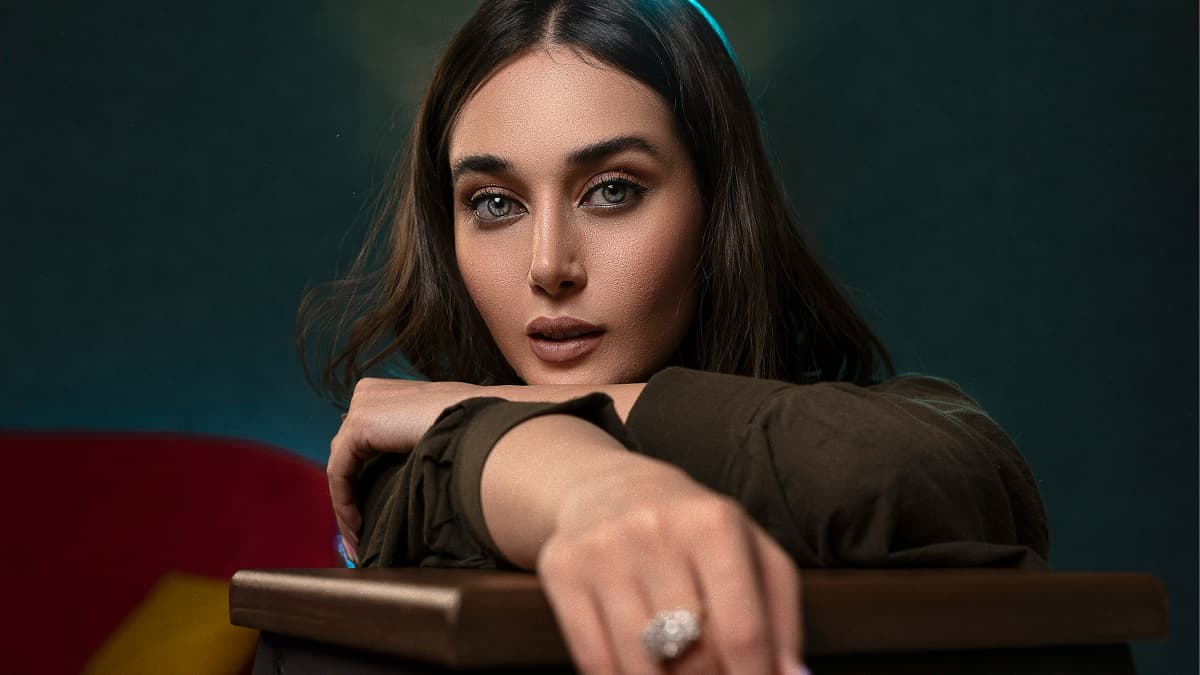
TFP stands for "Time for Print" — or, in the digital age, "Time for Photos." It is a simple arrangement: a photographer and a model collaborate on a shoot where no money changes hands. Both contribute their time and skills, and both receive final edited images for their portfolios.
On paper, it sounds straightforward. In practice, TFP shoots are where most of the miscommunication, ghosting, and wasted time in the photography industry happens. Not because the concept is flawed, but because most photographers and models skip the structure that makes these collaborations work.
This guide covers everything you need to know about TFP photography — what it is, when it makes sense, how to structure it so both parties get portfolio-worthy results, and the common mistakes that turn trade shoots into frustrating experiences.
What TFP Photography Actually Means
TFP is a mutual exchange. The photographer contributes their creative skills, equipment, time, and editing work. The model contributes their appearance, posing ability, time, and often their own styling effort. Neither party pays the other. Both receive the finished images.
This distinction matters because TFP is not free work. It is unpaid work with equal investment from both sides. The photographer is not doing the model a favour, and the model is not doing the photographer a favour. Both are investing time and skill to create something neither could produce alone.
Understanding this dynamic sets the foundation for everything that follows. When both parties approach a TFP shoot as collaborators with equal stake in the outcome, the results — and the experience — are dramatically better.
TFP vs. Paid Shoots
The core difference is who holds creative control and who defines the deliverables.
In paid work:
- The paying client (whether that is a brand, an agency, or the model themselves) typically defines the creative direction
- Deliverables, timelines, and usage rights are contractually specified
- The photographer delivers what was agreed, and the client approves or requests revisions
In TFP work:
- Creative direction is shared — both parties have input
- Deliverables should be discussed upfront but are not contractually enforced in most cases
- Both parties use the images for their portfolios, usually with mutual credit
The grey area is where problems start. Many TFP shoots fail because one party treats it like a paid shoot (expecting full creative control) while the other treats it as a casual favour (expecting minimal commitment). Neither approach works.
When TFP Makes Sense
TFP is not appropriate for every situation. It works best when both parties have something genuine to gain.
Good reasons to shoot TFP:
- Portfolio building — You are developing a new style, testing a concept, or expanding into a genre you have not shot before. A model with the right look and energy helps you execute the vision, and they get strong images in return.
- Testing creative ideas — You have a concept that is experimental or personal. There is no client brief to follow, so both parties can push creative boundaries.
- Building working relationships — Shooting TFP with a model before booking them for paid work lets you evaluate the collaboration without the pressure of a client's expectations.
- New models building their book — Models early in their career need quality images for their portfolio. Photographers benefit from working with fresh faces and different body types.
When TFP does not make sense:
- When one party clearly benefits more than the other (an experienced photographer shooting a new model for work that will be commercially licensed)
- When the photographer would normally charge for this type of work and is only offering TFP because the model is attractive
- When the model would normally be paid for this type of work and is being asked to donate their time for the photographer's commercial project
The honest test: would both portfolios genuinely benefit from this collaboration? If the answer is yes for both, TFP is appropriate. If one party is getting significantly more value than the other, the arrangement should involve compensation.
How to Structure a TFP Shoot
The number one reason TFP shoots go wrong is a lack of structure. Because there is no contract and no money, both parties often skip the planning that makes professional work successful. This is exactly backwards — TFP shoots need more structure than paid work, not less, because there is no financial accountability to fall back on.
1. Agree on the Concept Together
TFP is collaborative by definition. The creative direction should emerge from a conversation, not a one-sided brief.
Start with a discussion about what each party wants to achieve:
- Photographer: "I want to shoot a moody, low-light portrait series for my portfolio. I have been experimenting with single-light setups and I need someone who is comfortable with dramatic shadows."
- Model: "I need updated headshots and some editorial-style images. I would love something with strong eye contact and minimal styling."
Find the overlap. In this example, the photographer gets their moody portrait series and the model gets strong, direct headshots with dramatic lighting. Both portfolios benefit.
If there is no overlap — if the photographer wants experimental abstract work and the model needs clean commercial headshots — it is better to acknowledge the mismatch than to force a collaboration that leaves someone unsatisfied.
Build a shared moodboard before the shoot so both parties can see and approve the creative direction visually. This prevents the "I thought we were doing something different" conversation on set. For a step-by-step guide, read our article on how to create a moodboard for a photo shoot.
2. Define Deliverables Before You Shoot
This is the step most TFP collaborations skip, and it is the one that causes the most frustration.
Before the shoot, agree on:
- How many final edited images each party will receive (a range is fine — "10-15 edited images")
- Delivery timeline — when can the model expect finals? Two to four weeks is the industry standard.
- Editing style — will the images be heavily retouched, lightly edited, or delivered in a natural style? Reference images help here.
- Usage rights — can both parties use all images for portfolio and social media? Are there any commercial use restrictions?
- Credit requirements — how should each party be credited when sharing the images?
Write these down. Even an informal message confirming the details is better than a verbal agreement that neither party remembers the same way two weeks later.
3. Plan the Logistics
Treat TFP logistics with the same professionalism as a paid shoot:
- Location — Who is scouting it? Who is booking it? Are there costs (studio rental, permits) and if so, who covers them?
- Styling — Is the model providing their own wardrobe? Is there a hair and makeup artist involved (and who is covering their fee, if any)?
- Timeline — How long will the shoot last? How many setups are planned?
- Travel — If the location requires significant travel, discuss who covers transport costs.
These practical details are where TFP shoots often feel "less professional" than paid work — not because TFP is inherently less professional, but because people skip the logistics conversation when no invoice is involved.
For a complete logistics rundown, check our photo shoot planning checklist.
4. Sign a Simple Agreement
You do not need a ten-page contract. A one-page TFP agreement covering the basics protects both parties:
- Names of both parties
- Date and location of the shoot
- Number and format of deliverables
- Delivery timeline
- Usage rights granted to each party
- Credit requirements
- Model release terms (if either party plans to use images commercially)
Many photographers use free TFP agreement templates available online. The point is not legal formality — it is ensuring both parties have the same expectations documented in writing.
5. Shoot with Full Professionalism
On set, a TFP shoot should feel no different from a paid shoot:
- Arrive on time and prepared
- Follow the agreed creative direction (reference the moodboard)
- Communicate clearly — give specific direction, accept feedback, and check in regularly
- Manage the timeline so you cover all planned setups
- Show the model images on the back of the camera so they can see what is working
The "it is just TFP" mentality — showing up late, winging the concept, rushing through setups — is the fastest way to ensure neither party gets usable work and neither wants to collaborate again.
6. Review and Select Together
After the shoot, share your selects with the model and invite them to mark their favourites. This collaborative selection process is one of the most valuable parts of a TFP arrangement — both parties have a creative stake in the outcome, and both perspectives improve the final set.
The photographer sees the technical quality: sharpness, composition, lighting. The model sees how they look: which expressions are authentic, which angles flatter, which images they would confidently show to an agency or post online.
When both viewpoints inform the selection, the final images are stronger for both portfolios.
The review phase is where scattered tools — WhatsApp, email, Google Drive — create the most friction. Using a platform where both parties can view, comment on, and select photos in one shared space eliminates the back-and-forth. Cullengo is built for exactly this workflow.
7. Edit and Deliver on Time
Deliver what you promised, when you promised it. This sounds obvious, but late delivery is the single most common complaint models have about TFP collaborations.
The model invested their time, travel, styling effort, and creative energy. They are waiting for images they can use. Every week of delay erodes the relationship and the momentum of the collaboration.
If your editing schedule slips, communicate proactively. "I am running a week behind on editing — you will have the finals by Friday the 15th" is infinitely better than silence.
For practical strategies on delivering images effectively, read our guide on the best way to deliver photos to clients — the same principles apply to TFP collaborations.
Common TFP Mistakes (and How to Avoid Them)
Ghosting After the Shoot
The problem: The photographer shoots, takes the card home, and never delivers. Or the model agrees to the shoot, confirms the date, and does not show up.
The fix: Document your agreement in writing before the shoot. Set a specific delivery date. And understand that your reputation in the photography community is built on reliability. Models talk to each other. Photographers talk to each other. A reputation for ghosting follows you.
Unequal Effort
The problem: The photographer spends 2 hours shooting and 6 hours editing. The model shows up, poses for an hour, and posts the images as if they appeared out of thin air. Or conversely, the model spends hours on styling, travel, and preparation, and the photographer delivers three hastily edited images two months later.
The fix: Recognise and acknowledge each other's contribution. The model's preparation time, styling costs, and physical effort on set are real investments. The photographer's scouting, equipment, shooting time, and editing hours are real investments. When both parties feel their contribution is valued, the collaboration works.
No Creative Alignment
The problem: The photographer has one vision and the model has another. Nobody builds a moodboard. They show up on set and improvise. The result is unfocused work that does not serve either portfolio.
The fix: Build a shared moodboard. Discuss the concept. Find the creative overlap. If there is no overlap, it is better to find a different collaborator than to force a session where nobody gets what they need.
Unclear Usage Rights
The problem: The photographer submits a TFP image to a magazine or sells it commercially without the model's knowledge. Or the model heavily filters an image and posts it without credit.
The fix: Agree on usage rights before the shoot. Standard TFP terms usually allow both parties to use images for portfolio and social media with mutual credit. Commercial use, editorial submission, and paid licensing should be discussed separately and ideally documented in your TFP agreement.
Treating TFP as "Less Important"
The problem: Because no money is involved, one or both parties treat the shoot as low priority — rescheduling repeatedly, showing up underprepared, or delivering subpar work.
The fix: If you are not willing to give a TFP shoot your full professionalism, do not agree to it. Every shoot — paid or trade — is an investment in your reputation and your portfolio. The images do not know whether money changed hands.
TFP Etiquette: Unwritten Rules
Beyond the logistics, there are professional norms that experienced photographers and models follow:
Always credit your collaborators. When you post a TFP image, tag the other party and any stylist or makeup artist involved. This is not optional — it is basic professional courtesy and it is often part of your agreement.
Do not use TFP to avoid paying people who should be paid. If you are an established photographer shooting for a brand or a commercial project, do not recruit models under TFP terms when the work has commercial value. Pay them.
Respect retouching boundaries. Models have the right to specify limits on body modification in post-production. Ask before you alter, and honour their preferences. This applies equally to paid and TFP work.
Deliver a consistent set. Do not deliver one beautifully edited hero image and ten barely-processed extras. Every image in the final set should reflect the same level of editing attention.
Follow up. After delivery, a simple message — "Hope you are happy with the images, it was a great shoot" — closes the loop and keeps the door open for future collaborations. Professional relationships are built on small gestures like these.
Using the Right Tools for TFP Collaboration
TFP shoots involve every phase of the creative workflow: planning, creative alignment, the shoot itself, review and selection, and delivery. Most photographers manage these phases across five or six disconnected tools — Pinterest for the moodboard, WhatsApp for scheduling, Google Drive for sharing proofs, email for feedback, WeTransfer for delivery.
This fragmented approach works, but barely. Context gets lost between tools. Feedback is scattered across message threads. The model cannot find the moodboard when they need to reference it for styling.
Cullengo was built specifically for the collaborative shoot workflow that TFP embodies:
- Moodboards — Build and share visual references with your model in one place
- Shooting agenda — Structure the shoot day with a timeline both parties can reference
- Photo review — Upload proofs and invite your model to browse, comment, and star favourites
- Two-party selection — Both photographer and model mark their top picks. The overlap becomes your edit list.
- Delivery — When editing is done, deliver the finals through the same platform
For TFP specifically, the two-party selection feature matters. Both parties have equal creative stake in the outcome, so both should have equal input in which images make the final cut.
Explore Cullengo's features or try it free.
Make the trade explicit, then deliver it
Agreement signed before the shoot, both sides selecting afterwards, and a delivery page that does not expire — so a trade shoot ends the way it was promised.
Quick Reference: TFP Shoot Checklist
Before the shoot:
- Discuss concept and find creative overlap
- Build a shared moodboard
- Agree on deliverables (number of finals, editing style, timeline)
- Document usage rights and credit requirements
- Plan logistics (location, styling, timeline, costs)
- Sign a simple TFP agreement
On shoot day:
- Arrive on time with all equipment ready
- Brief the model on the plan and creative direction
- Follow the moodboard and shot list
- Communicate openly and accept creative input
- Review images together on set
After the shoot:
- Cull and share selects within 3-5 days
- Invite the model to review and mark their favourites
- Agree on the final selection together
- Edit and deliver within the agreed timeline (2-4 weeks)
- Credit each other when posting
FAQ
Q: How many edited photos should I deliver for a TFP shoot?
A: There is no universal standard, which is why agreeing on a number before the shoot matters. For a typical 1-2 hour TFP session, 10-20 fully edited images is a reasonable range. This gives both parties enough variety for their portfolios without placing an unreasonable editing burden on the photographer. The exact number should reflect the scope of the shoot — a multi-look session with wardrobe changes warrants more deliverables than a single-setup headshot session.
Q: Should I shoot TFP if I am an experienced photographer?
A: Yes — if there is genuine creative value for you. Experienced photographers use TFP shoots to experiment with new techniques, explore personal projects, work with models whose look inspires them, or test concepts before pitching them to clients. TFP is not just for beginners. What matters is that both parties benefit from the collaboration. If you are only shooting TFP because you want free modelling, that is not a fair exchange.
Q: Can I sell or license images from a TFP shoot?
A: Only if your TFP agreement explicitly allows it, and typically only with the model's knowledge and consent. Standard TFP terms cover portfolio and social media use for both parties. Commercial licensing — selling the images, submitting to stock libraries, using them in paid advertising — is a separate conversation that should happen before the shoot. If commercial use was not discussed, assume it is not permitted.
Q: What if the model wants different photos than I do?
A: This is normal and expected. The photographer and model often see different strengths in the same set of images. The solution is collaborative selection — both parties mark their favourites, discuss any disagreements, and agree on a final set that serves both portfolios. If you cannot agree on a specific image, include it as an extra rather than cutting it. For guidance on structuring this process, read our article on how to share photos with a model after a shoot.
Q: Is a model release necessary for TFP shoots?
A: Yes, if there is any possibility the images will be used beyond personal portfolio display. A model release gives the photographer permission to use the model's likeness in specific ways — editorial submission, print sales, website use, and so on. Even for portfolio-only TFP, having a signed release is good practice. Many agencies require their models to provide a copy of the release for any images used publicly. Include it as part of your TFP agreement.
Deliver the trade you promised
Free to start — agreement signed up front, a delivery page that does not expire.

Nele Wyss
Writes from the other side of the camera: sedcards, trade shoots, and finding people worth working with.